
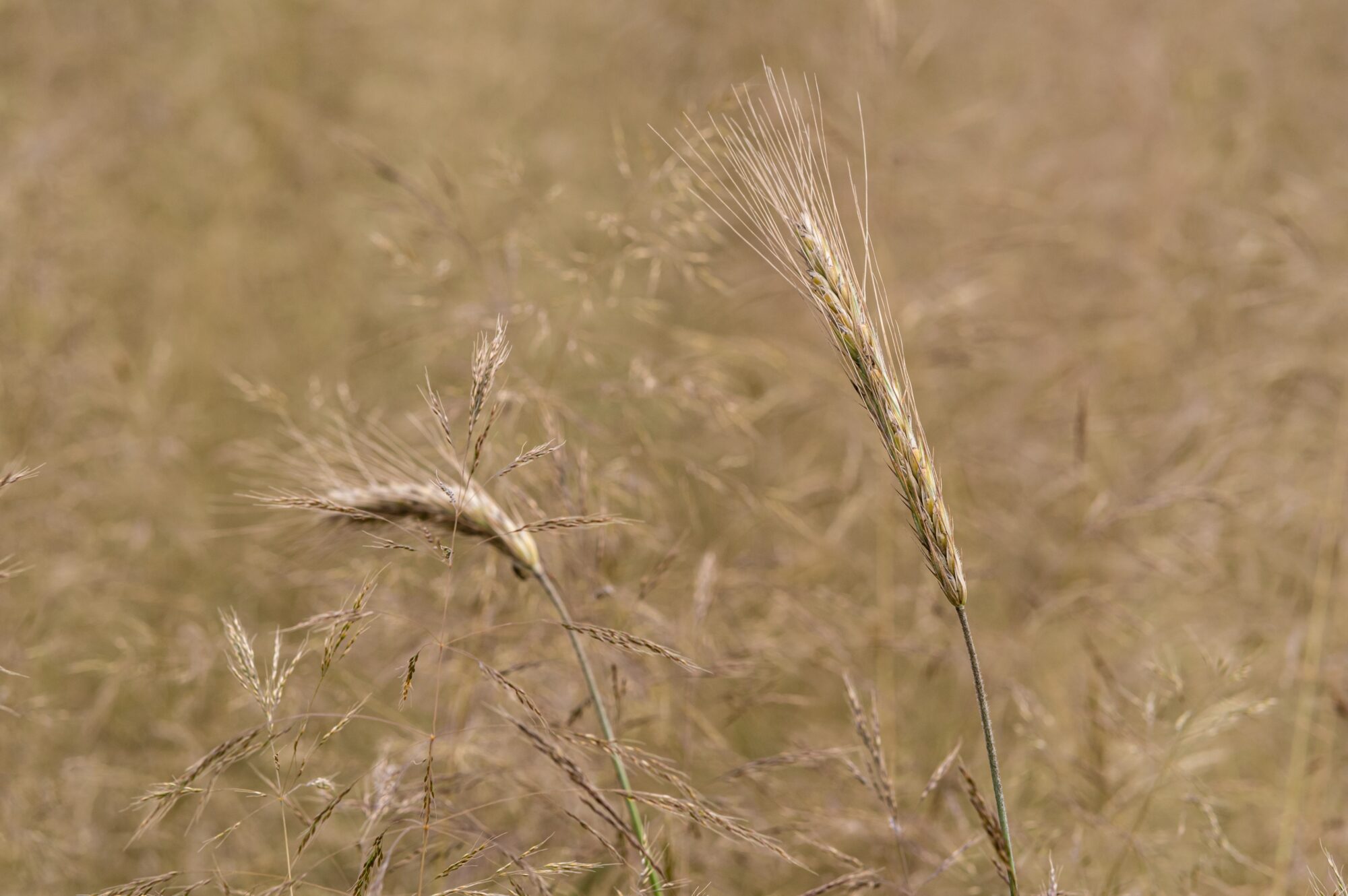
The Wheat and the Weeds: Trusting the Master Gardener
Many of us are attending camps and youth rallies this summer. A few years ago, I went to a camp where each team was asked to create their own “country.” They came up with flags, languages, cultures—you name it. The entire week was devoted to developing their country.
Some kids took it to wild and creative extremes, even establishing political parties with their own congress and legal systems. It didn’t take long before deep-seated corruption and war broke out between several of the “nations.” Counselors had to step in to negotiate the release of prisoners and broker peace treaties just to ensure we could return all the kids to real-life society safely.
Funny, but it’s also insightful to see how quickly kids can mirror the structures—and failures—of real society. Some of them took their roles in law enforcement very seriously, making sure the authorities were aware of the corruption taking place.
That memory came to mind as I was reflecting on Jesus’ parable of the wheat and the tares in Matthew 13. It highlights human weakness and our tendency to want immediate justice—even when God says, “Wait.”
Truths from the Parable of the Tares (Matthew 13:24–30, 36–43)
1. The Field is the World, Not the Church (v. 38)
Jesus sets the scene: “The field is the world.” This parable isn’t primarily about resolving internal church conflicts. It’s about God’s kingdom spreading into a mixed, broken world. When Jesus told this story, it was apparently a real practice for enemies to sabotage a farmer’s field by planting weeds among the good crops.
2. There Are Counterfeit Seeds
The “tares” Jesus mentions are likely darnel—a poisonous weed that looks almost identical to wheat until harvest time. When the crop begins to bear fruit, the difference becomes obvious. Darnel can be toxic in large doses, so it makes sense that the workers would want to pull it out immediately.
3. Judgment Belongs to God, Not Us
But the gardener—the master—is God. And in His wisdom, He says not to pull the weeds, lest the wheat be uprooted with them.
When I think of “corrupt seed,” my mind goes to false teachers, deceptive leaders, or even people in the church doing harm. Our instincts, like the kids at camp, might be to take on the role of moral enforcer and root out corruption ourselves.
But that’s not what Jesus said.
Jesus’ Focus is on the Wheat, Not the Weeds
Your role is not to police the evil but to grow faithfully and bear fruit. God will sort it all out in the end. Our responsibility is to:
- Spread the Word of God
- Teach those who are willing to listen
- Correct false teaching when we can do so wisely and humbly
Jesus’ story is a reminder: God sees the whole field. We don’t. He values both justice and mercy—and His timing is perfect.
Reflection Questions
- Am I more focused on spotting weeds or growing as good wheat?
- Do I trust God to handle injustice and evil in His timing?
- How can I stay rooted in truth in a world where counterfeit looks convincing?
Just like those camp kids needed counselors to step in, we need to trust the Master Gardener to sort things out.

Great story Katie. We can stay rooted. Y not trusting in worldly views and beliefs. We must stay alert and keep our eyes on God and the ministry. ❤️🙏❤️
Love this reminder about the tares, and leaving them until harvest. It isn’t our job to be policing everyone and what they do. Thank you, so much Katie for sharing with us.
Katie, I really like the way you explained this parable. I teach the children at our church and this will help so much. Thank you from (me) another Katy. God bless.