
” In Joppa there was a disciple named Tabitha (in Greek her name is Dorcas); she was always
doing good and helping the poor. About that time she became sick and died, and her body was
washed and placed in an upstairs room. Lydda was near Joppa; so when the disciples heard that
Peter was in Lydda, they sent two men to him and urged him, “Please come at once!” Peter went
with them, and when he arrived, he was taken upstairs to the room. All the widows stood
around him, crying and showing him the robes and other clothing that Dorcas had made while
she was still with them. Peter sent them all out of the room; then he got down on his knees and
prayed. Turning toward the dead woman, he said, “Tabitha, get up.” She opened her eyes, and
seeing Peter, she sat up. He took her by the hand and helped her to her feet. Then he called for
the believers, especially the widows, and presented her to them alive. This became known all over Joppa, and many people believed in the Lord.” Acts 9:36-42
I love the book of Acts. It’s a drama book. We begin with Jesus having risen from the dead, then
spending a bit more than a month with the followers, then ascending, and that’s just where the
excitement begins. We have the Holy Spirit shaking things up, Peter preaching, 3000 people
joining the movement, the healing at the Temple gate, Peter and John getting arrested, and we
can’t forget the lying last words of Ananias and Sapphira. We go from there to appointing
Deacons, Stephen being stoned, Philip and the Ethiopian, Saul converted, Cornelius, King
Herod executing James, Peter arrested (again), and those praying for his release left him
hanging out at the door. We have Paul’s journeys, shipwrecks, prisons, snakes in fires, and that’s
just a tip of the excitement in the book of Acts. But somewhere in the middle is tucked Acts 9
and the story of Dorcas. Oddly enough, when Dorcas died, they did not do the usual burial of
the body within the day as was custom, but washed her body and laid her in an upstairs room.
Then they sent a message to Peter, simply summing up her little, boring life. No drama, no
prisons, no shipwrecks, and no speaking in other languages, she simply went about doing good and helping the poor.
It seemed that everyone’s life was more exciting; they did greater things and got a lot more
attention, but Dorcas simply did something, and she did it well. Those gathered around the
house when Peter got there were showing him the kindness she had shown to them in the form
of clothes, probably blankets, and robes that she had made for them. She was intentional
because she knew what the needy and poor lacked and met their needs.

Jesus set that example for us. He didn’t make pizza for the wedding feast in Cana; they didn’t
need pizza; they ran out of wine. He didn’t give the blind man a new pair of Nikes; he gave him
his sight. The cripple didn’t get a new hat, although that might have been nice; Jesus healed him. The thousands following him: he didn’t have them doing aerobics; they were hungry, so
he fed them.
Although Paul hadn’t written Galatians 6:10 yet, Dorcas lived it out very well.
Galatians 6:10 “As we have therefore opportunity, let us do good unto all men, especially unto
them who are of the household of faith.” It seemed as if Dorcas took advantage of opportunities.
She didn’t let a chance go by to serve someone who needed help. Yet, for her to know there was
a need, she needed to develop a relationship with the needy, to better serve them.
How can we live out the life and ministry of Dorcas? Getting to know people, finding out what
they need, quickly taking advantage of the opportunities God presents, and serving others.
We don’t have to make a big splash in the pond; a tiny ripple will make a difference. Little
things mean a lot. Coat when one is cold, food when one is hungry, friendships when one is
lonely.
The most amazing part of the Dorcas story isn’t that she was a nice lady, knew how to
sew, give, and do, but what happened because of the 10 words that described her, Peter’s raising
her from the dead, but that many people believed in the Lord because of her story. And it all
started with, “She was always doing good and helping the poor.” People believed that because
her life set a precedent, Peter honored the ministry she lived out, raised her from the dead, and
people took notice. They didn’t take notice to praise Peter, or Dorcas, but it says many people
believed in the Lord because of her story.
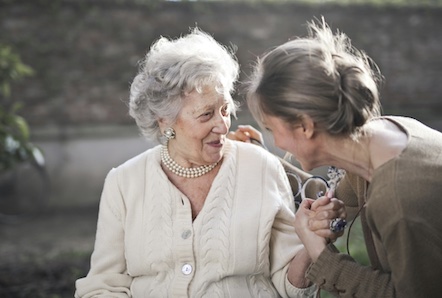
We all have a story. We all have opportunities presented to us. The difference is how we
use what God has given us to serve others and let them believe in him, because of our story.
Dorcas could have used the excuse that her life was drama-free and rather boring. Yet, in the
middle of the drama, her testimony leaps off the page at the end of Acts 9. She did what God
called her to do, with the abilities God had blessed her with, and because of her story, obviously,
being raised from the dead has some drama to it; people believed in the Lord. Make use of your
story! Live it well!
Thank you for this beautiful look at Dorcus. May we walk in the same likeness.
Thank you Marette, for sharing about Dorcas, really appreciate your thoughts. This one stood out to me, “Getting to know people, finding out what they need, quickly taking advantage of the opportunities God presents, and serving others.
We don’t have to make a big splash in the pond; a tiny ripple will make a difference.”