
In Matthew 21, we see Jewish leaders come and challenge Jesus’ authority. He responds by telling the Parable of the Tenants to challenge them to examine their role in God’s plan (vv. 33-46). He uses imagery that they would instantly recognize as echoes of Isaiah 5:1–7, which calls Israel the vineyard of the Lord (v.7). In biblical times, a vineyard symbolized not just growth, but the expectation of fruit, which is valuable and lasting.
The Gracious Landowner
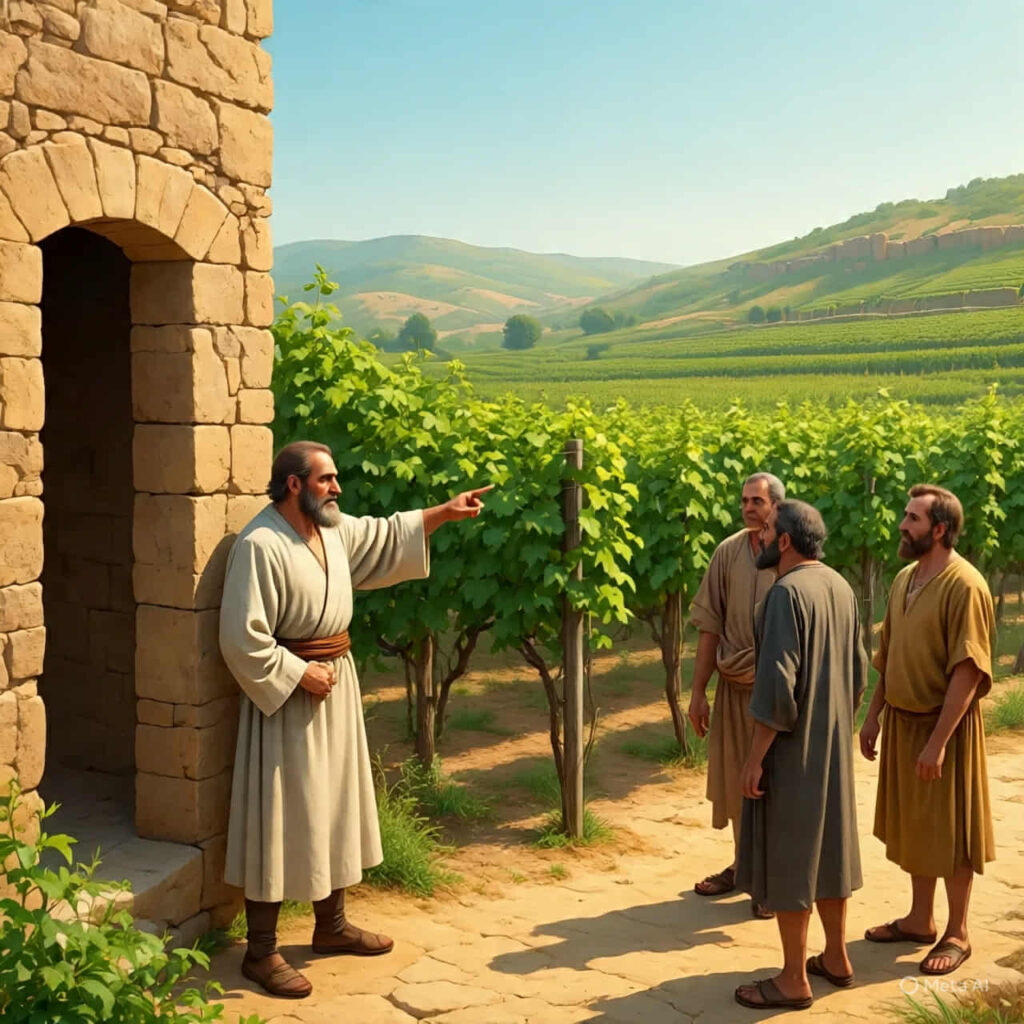
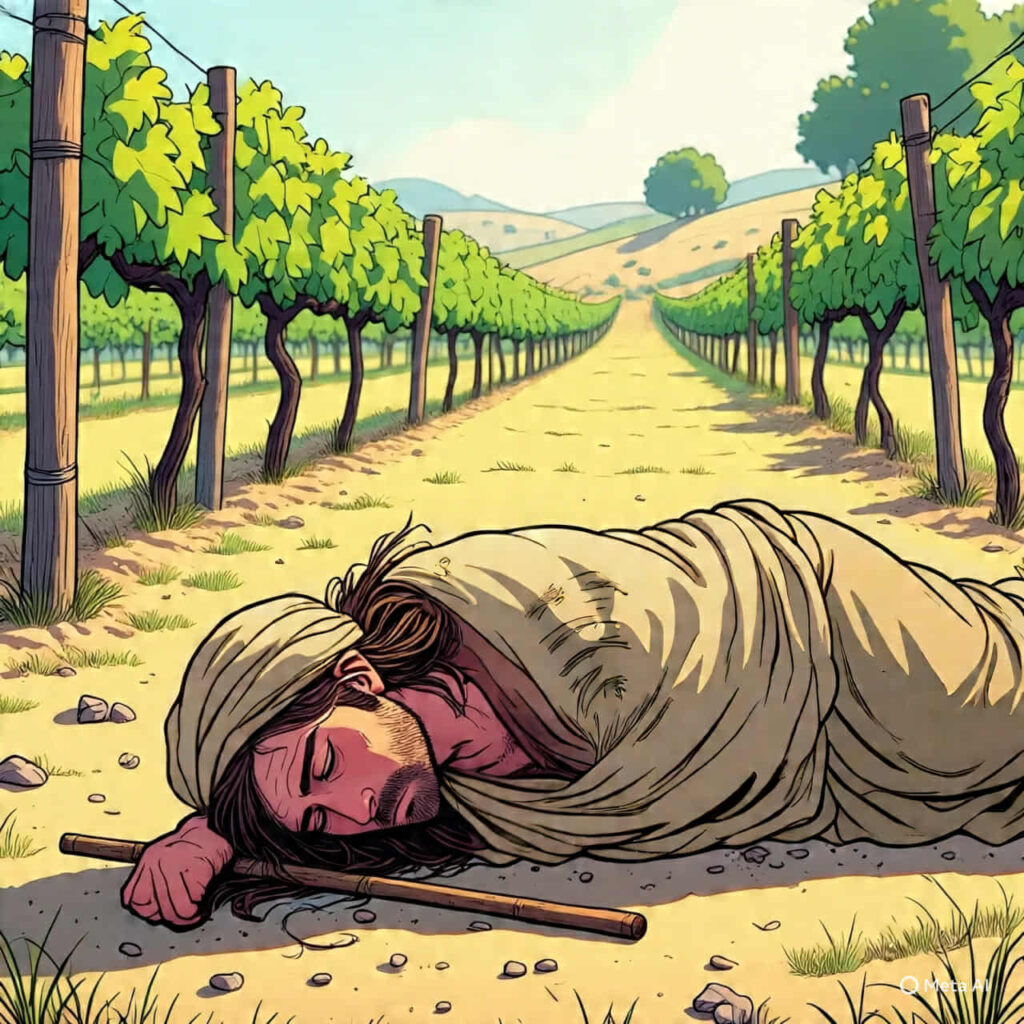
Jesus tells of a landowner who planted a vineyard with great care: putting a wall around it for protection, digging a wine press to gather the fruit, and building a tower for security and oversight. Then he entrusted it to tenants and went on a journey. In the ancient world, landowners would commonly prepare the land and then leave it to tenants to tend and cultivate. By going away, he did not abandon it but entrusted it with freedom and responsibility so tenants would choose to be faithful stewards. In return, since he invested so much, he expected the fruit to come in.
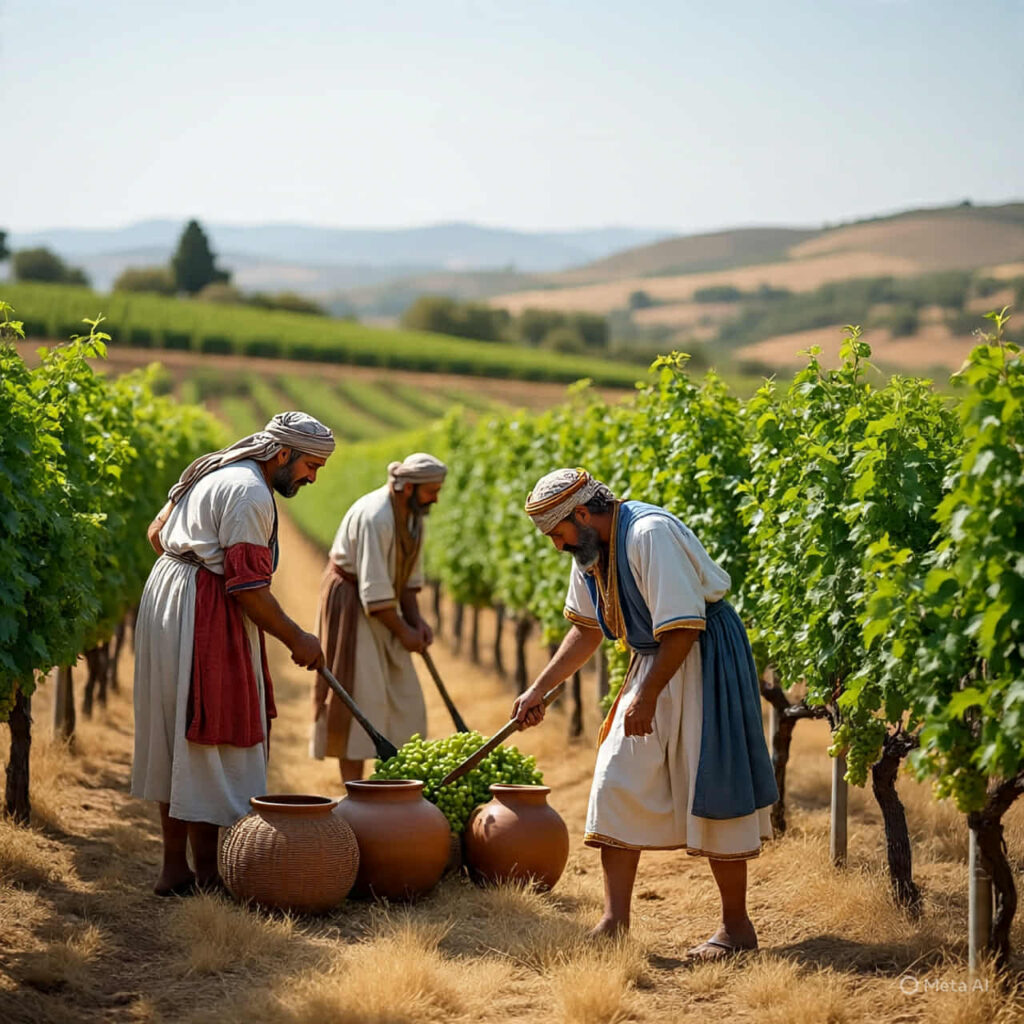
Jesus here reminds them that they were entrusted with sacred stewardship, for God was expecting a harvest. God never forgets what He plants. He may seem afar at times, but He is always watching, always waiting, always invested in what He has entrusted to us. He does not micromanage us because He gives us freedom with a call: to be faithful stewards.
The son was sent
We must understand that being entrusted with the vineyard does not make one an heir. When the harvest time came, the landowner sent his slaves to collect the fruit. And the unthankful tenants responded with violence—beating, stoning, and killing them. Still, the landowner patiently sent more slaves, and they did the same. Lastly, he sent his son, saying, “They will respect my son” (v.37). This was not a tactic, but rather a deeply personal act. The father hoped that his son, who bore his name and authority, might be honored.
They murdered their Lord for the vineyard
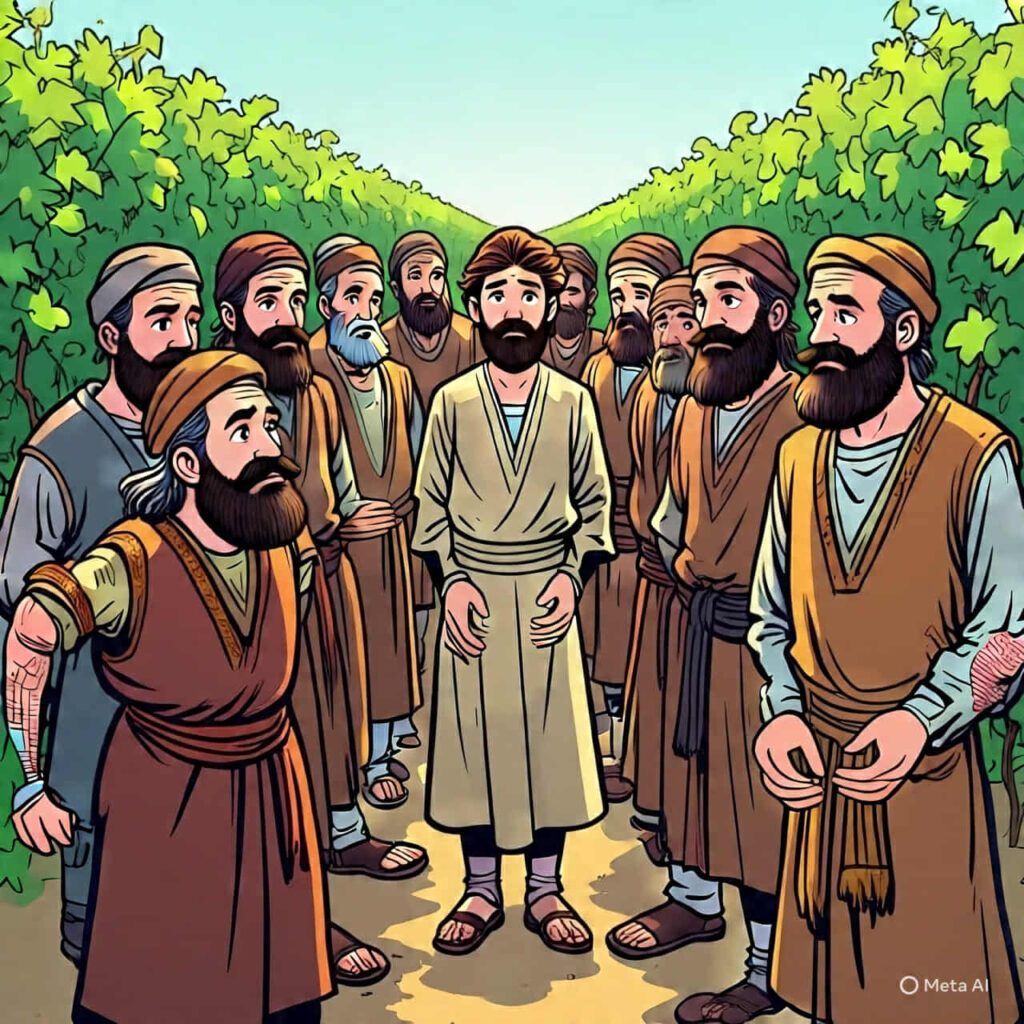
The tenants, however, saw him as a threat and declared a chilling confession, “This is the heir, come, let us kill him and seize his inheritance” (v.38). They knew who he was, and they feared his rightful authority, which would mean surrendering their own. Driven by greed, they cast the son out of the vineyard—his own inheritance and killed him (v.39). The vineyard, which was to bear fruit to bless many, turns into a crime scene—a den of robbers.
This is not just a parable, but a tragic story based on real events of a gracious landowner, his faithful slaves, his beloved son, and ungrateful tenants. Here, the landowner is Father God, the slaves are OT prophets, the Son is Jesus, and the evil tenants are the Jewish leaders, who knew the Son. They saw His miracles, heard His teaching, and witnessed His authority, yet murdered Him.
Jesus then uses the prophetic method and ends the parable by asking a moral question, “What will the owner do to those tenants?” (v.40). To let His listeners judge the story, knowing they would condemn themselves. Like how Nathan confronted King David with a parable in 2 Samuel 12, leading him to condemn himself. Similarly, the religious leaders declared that the wretched tenants deserved punishment and that the vineyard should be given to others (v.41). Their own judgment exposed their rebellion before God.
Patient and Just God
The Scripture teaches us that God entrusted Israel’s leaders with His covenant, temple, Scripture, and vineyard (His people) to be faithful and fruitful. Yet, they rejected Him and murdered the Son. As a result, God took away the vineyard from unfaithful tenants and has transferred it to those who bear fruit in faithfulness. Such as apostles, early believers, both Jews and Gentiles, who submit to the Son’s authority and through Him share in the Father’s inheritance.
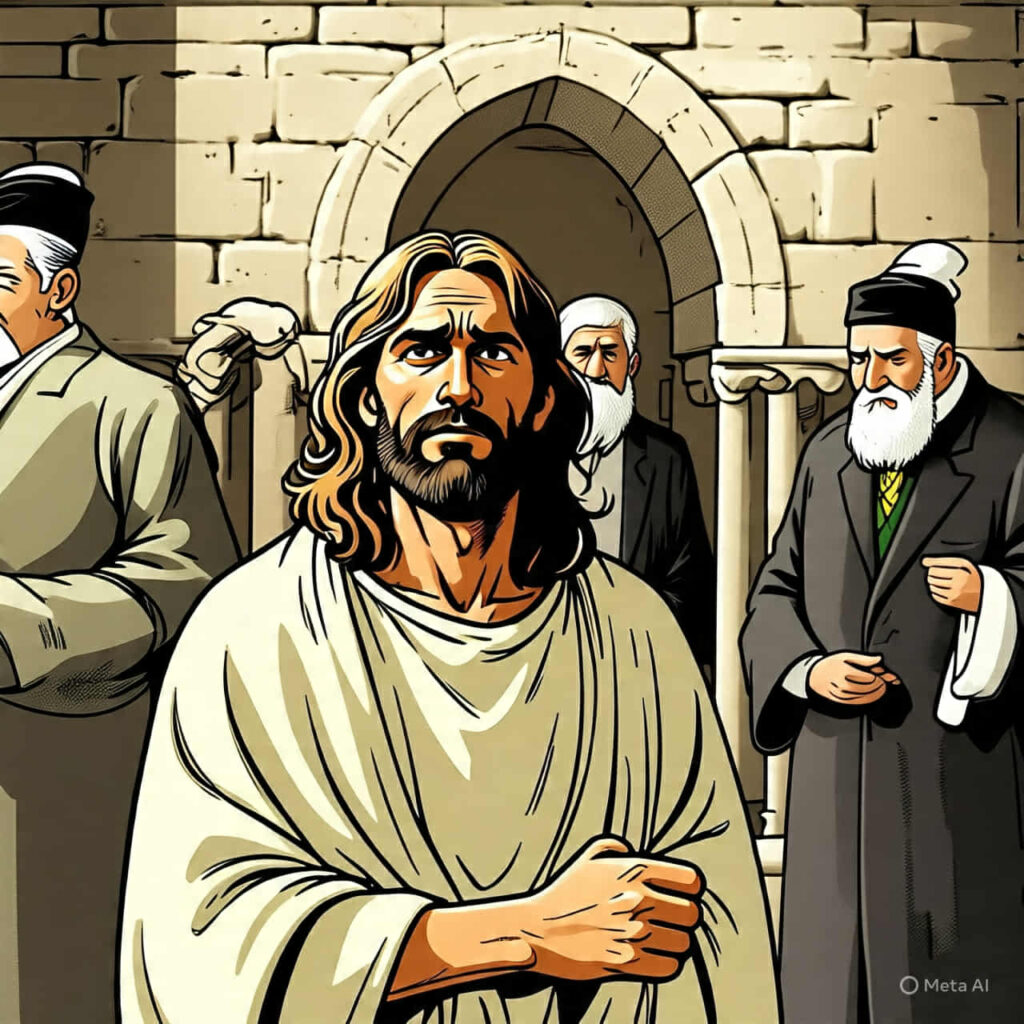
Jesus thus quotes Psalm 118:22-23 to identify Himself as the cornerstone that is rejected by the builders, the Jewish leaders. For they considered Him unworthy (v.42). This very stone is the foundation of God’s new kingdom and the standard by which all are judged. Now, those who stumble over Him, whether through unbelief or offense, may be broken in conviction, which can lead to repentance and salvation. But those who knowingly reject Him will be crushed under the weight of final judgment. This truth echoes Daniel’s prophecy (Dan. 2:34–35, 44–45), where a stone “not cut by human hands” ends all earthly kingdoms and establishes God’s eternal reign.
Rejection to Redemption
Once Jesus finished speaking, the Jewish leaders realized He was condemning them, and they hardened their hearts. This patient God entrusted the world to us, and WE rejected His authority, and WE killed His Son. Yet, through that very death, He offered salvation. Today, the same loving God still entrusts the vineyard to those who seek to bear fruit. So, we must ask ourselves if He entrusts us with a vineyard, will we be faithful stewards? Will we live under the Son’s authority, or will we cast Him out? Those who built their lives on Jesus are promised a permanent share in the Father’s inheritance. Let’s honor the Son as our Lord!
Beautifully written about the parable. Makes the message clear to the reader. A blessing! Thank you Rachel. God bless.
Alleluia ✨
This reminds me of the Scripture passage from Luke 12, to whom much as been given, much will be required. God entrusts us to bear fruit of his vineyard that he labored for on our behalf—let us be salt and light and work hard in obedience out of the grace which we have received!! All glory be the King of the Ages. Thank you for this wonderful reminder Rachel!! The Lord bless you and keep you sister.