
Some wounds affect our bodies in ways that could shape our identity. The woman in Mark 5:25–34 knew that kind of suffering after having experience a discharge of blood for twelve years. Now twelve years is a long time to suffer. Long enough to be exhausted and to lose hope. Mark highlights that this woman had endured many physicians, spent everything she had, and instead of getting better, she had grown worse.
Importantly her condition meant more than a ritual category. The purity laws in Leviticus 15 taught Israel about holiness, purity, and living in reverence before God. Thus, her continual bleeding made her ceremoninally unclean. This would have affected her relationships and ability to participate in worship and daily life for twelve years.
Further, Mark tells us that she heard about Jesus. He does not tell us what she heard. But if we read the gospel up to this passage, we learn Jesus had become quite famous among people for His authoritative teaching, healings, and expelling demons. He filled people with great amazement as He was doing what human beings could not do.
Faith that reaches
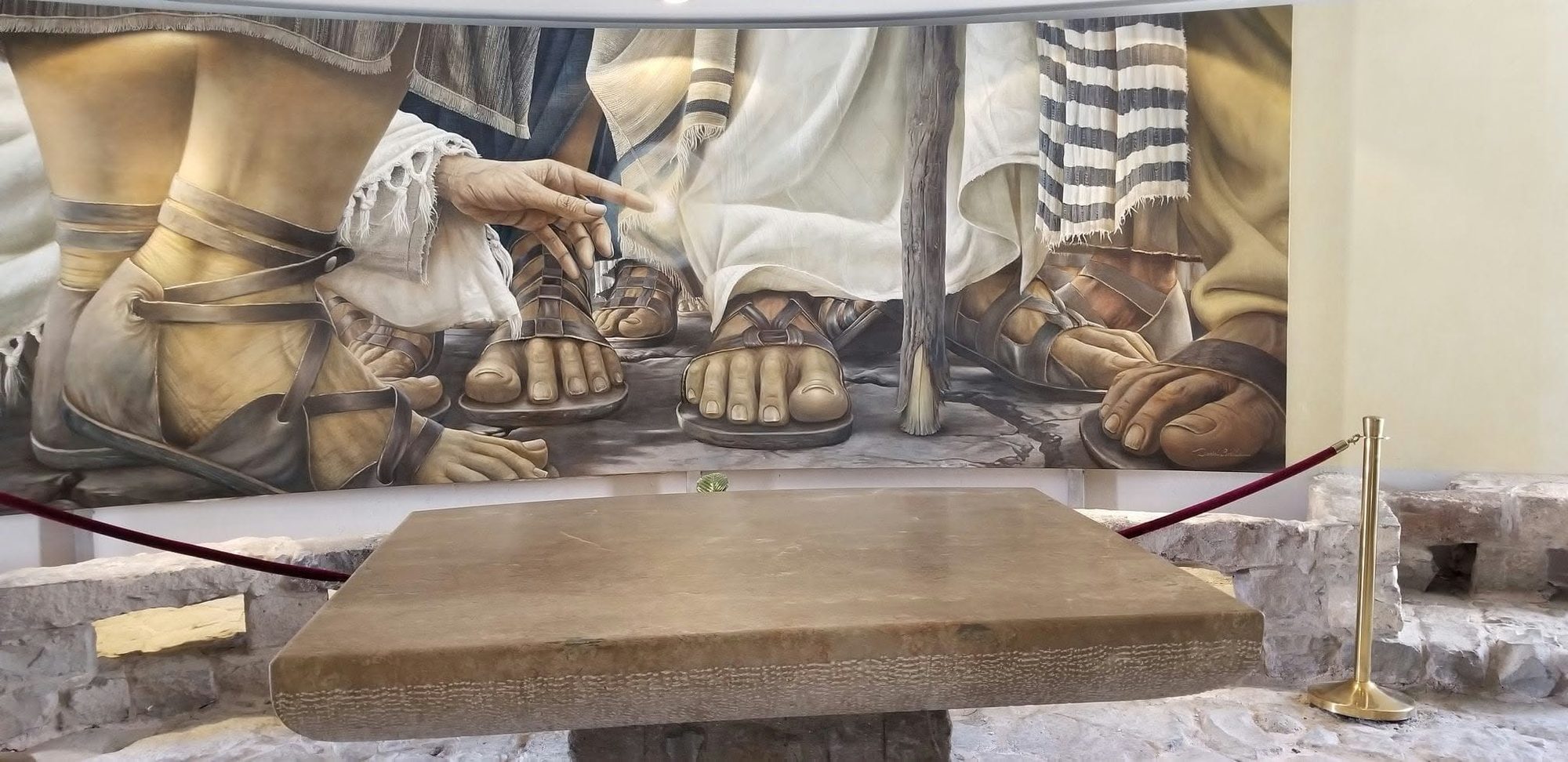
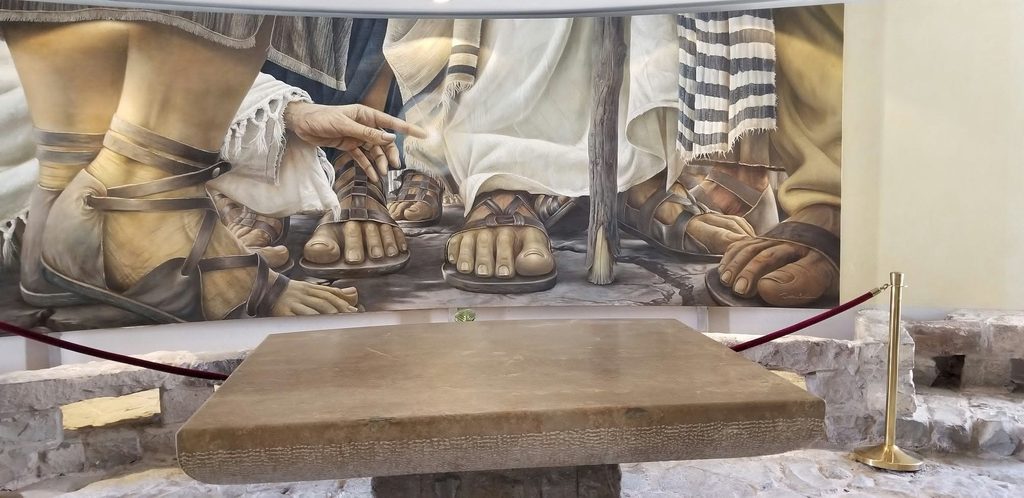
Hence, she came through the crowd behind Him, and touched Him, saying to herself, “If I just touch His garments, I will get well.” The parallels in Matthew 9:20 and Luke 8:44 say she touched the edge/fringe/tassel of His garment. The tassels were part of the clothing God commanded Israel to wear (Num 15:38; Deut. 22:12). But her faith was not ultimately in the garment. It was directed toward Jesus.
She did not seek attention or stop Jesus. She simply believed that if she could reach Him, she could be healed. This is simple but courageous faith. Immediately, she felt her blood dry up! After twelve years, she knew in her body that she had been healed. The suffering that had controlled her life was gone now.
But Jesus was not finished. He knew that power had gone out from Him, so He asked, “Who touched my garments?” The disciples were puzzled. A crowd was pressing around Him. Everyone was touching Him and Jesus yet was asking, “Who touched my garments?”
Who touched my garments?
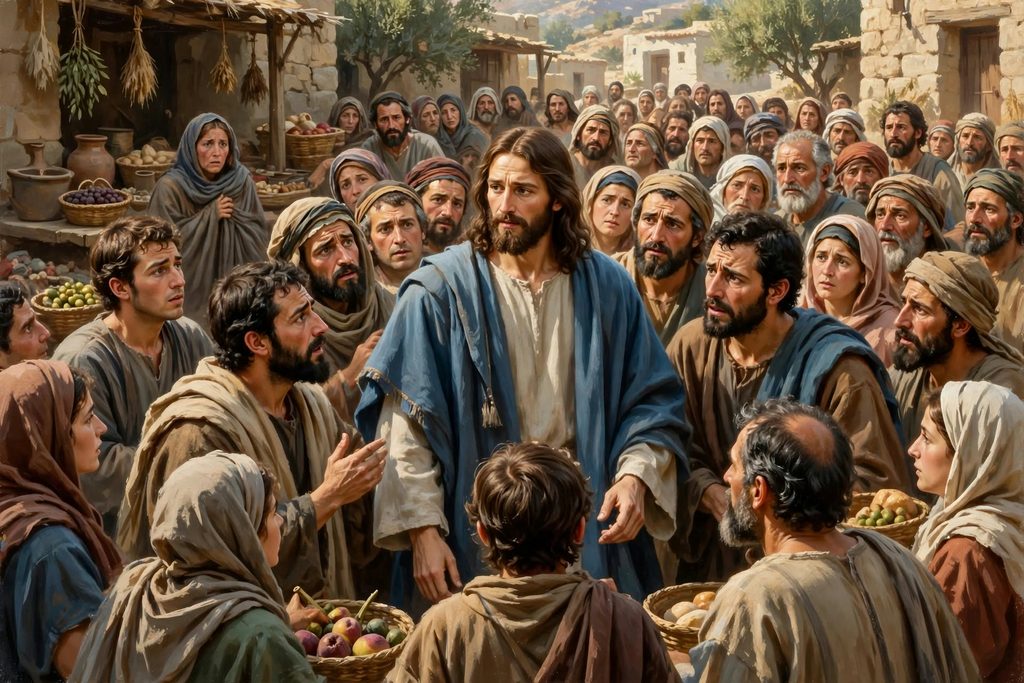
Jesus knew the difference between pressing in on Him in the crowd and reaching out to Him in faith. He stopped and looked around. He questioned this not because He lacked knowledge. But to invite her publicly and acknowledge what God had done. She came forward trembling, fell before Him, and told Him the whole truth.
Jesus then said something remarkable: “Daughter, your faith has made you well. Go in peace and be healed of your affliction.” Mark describes her as an unnamed woman whose condition was her public identity. But Jesus gave her a new identity. He did not called her “a woman” or “you,” but he called her “daughter”—using covenantal language. He identified her as one who shares in God’s promises and love and is no longer unclean but welcomed back into community, worship, and relationships.
You are Daughter
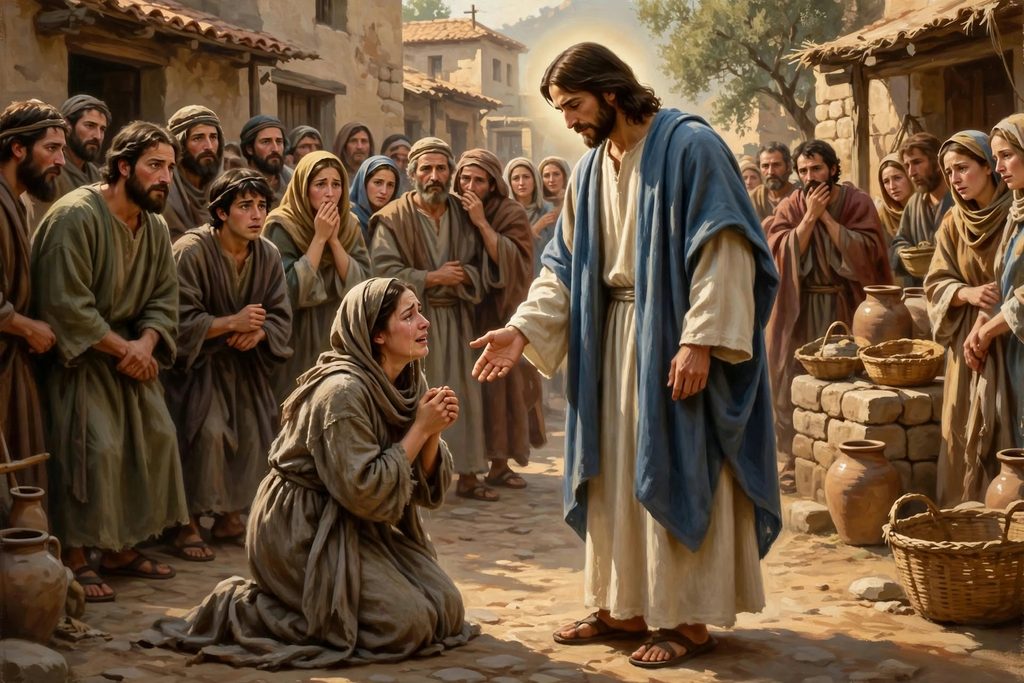
The word translated “made you well” is the Greek word sōzō that can mean saved, rescued, healed or made whole. By saying this, Jesus restored her beyond physical healing to wholeness. To restoring her public dignity and identity in the community. Jesus then said, “Go in peace and be healed of your affliction.” She came carrying suffering, isolation and shame. She left with healing, peace, and restored identity. This is Christ’s power and the result of faith that reaches out to Him.
Her story reminds us that Jesus sees every person behind their suffering. Perhaps you have carried out a struggle for so long that you prayed, sought help, tried different solutions, and yet nothing changed. But this does not define you. This woman heard about Jesus, reached out in faith and discovered that her suffering never made her invisible to God. Today, we know Jesus as our crucified, risen, and reigning Lord. So, keep reaching for Him. Your circumstances may not change as quickly as you hope, but Jesus sees you, knows you, and cares about making you whole and holy
Excellent treatment of this passage! So practical as well as exegetically precise.
I love your statement that Jesus gave her a new identity. He called her daughter – after all those years of shame and being considered unclean and sickness. Jesus makes all things new.